
GLAM
Galleries, libraries, archives and museums
The GLAM programme’s work over the years and relationships it has nurtured continued to bear fruit in 2025 with increased demand for our knowledge and services.
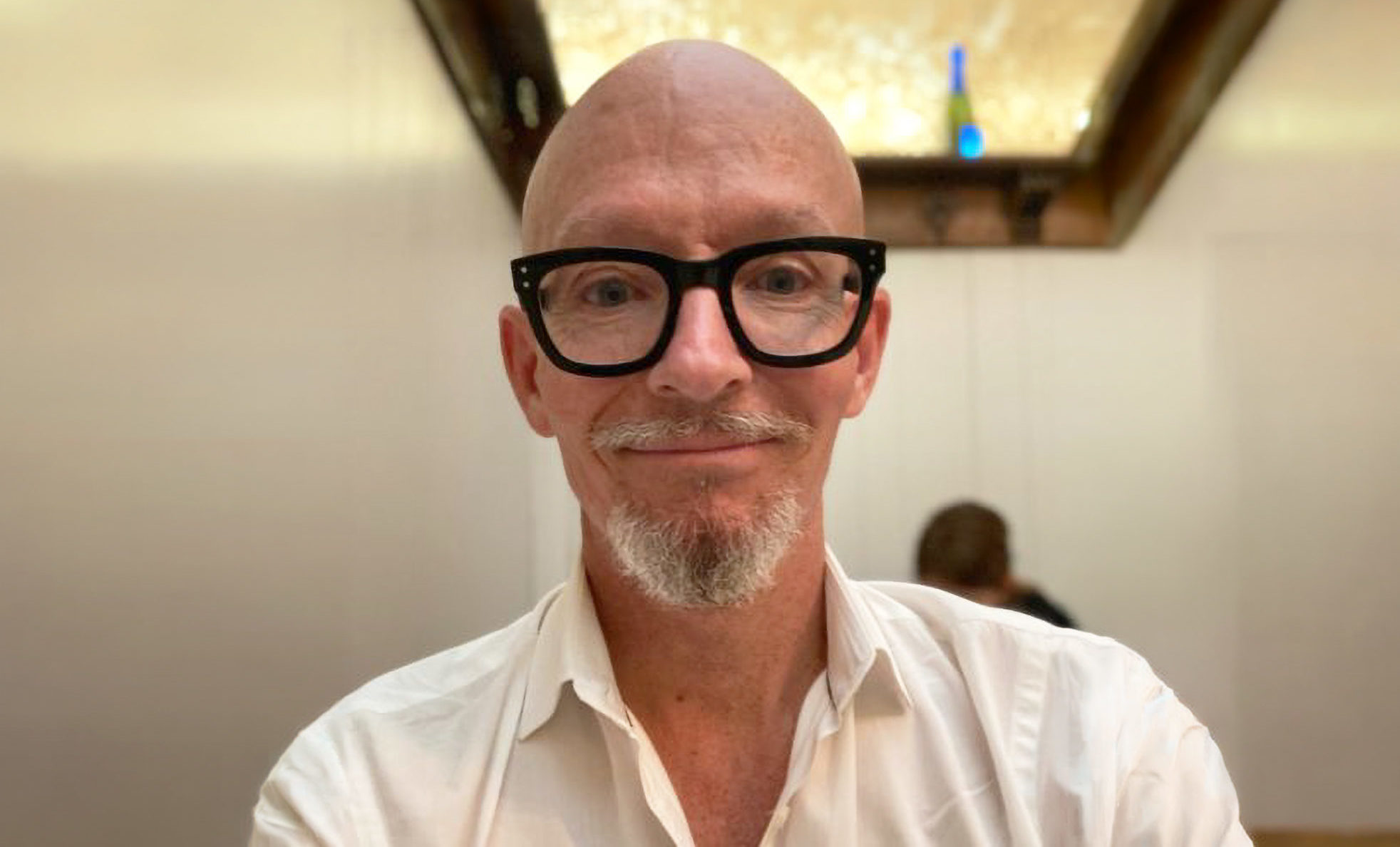
© Andreas Tille
Overview
The year 2025 saw a shift in the way the GLAM programme is perceived, with major organisations approaching us as partners to co-create initiatives together, rather than just participating in their events.
Our focus on women’s heritage through the Matrimoine project and related initiatives showed how sustained attention to content gaps can bring in diverse partners and attract new contributors. We deepened relationships with cantonal archives through our GLAM-on-Tour initiative, launched experimental projects exploring 3D archiving methods, and continued our monthly community meetups at KBCB in Biel. The programme also strengthened its technical work and advocacy, from integrating Swiss archives with mapping services to creating educational content about archive gaps and fake news.
These activities reflect our evolving role: we’re not simply helping institutions upload content to Wikimedia platforms, but actively shaping conversations about whose knowledge gets preserved and how cultural institutions can better serve their communities.
Highlight activity
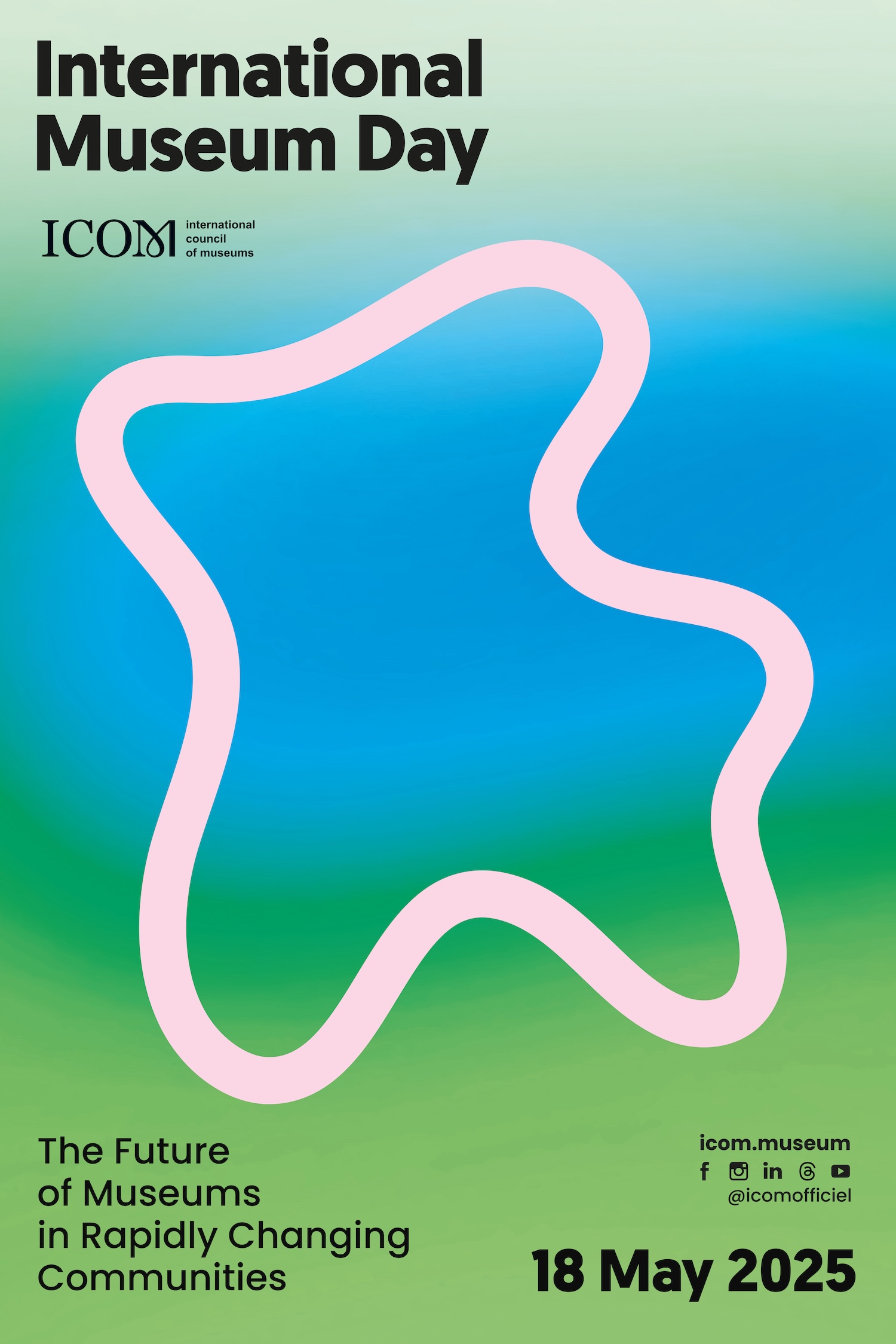
International Museum Day 2025: Building global networks through art and culture
For the first time in its history, the International Council of Museums (ICOM) approached Wikimedia CH to co-organise International Museum Day 2025, marking a significant milestone in our recognition as a key partner in the global cultural heritage sector. This collaboration brought together museums, cultural professionals and Wikipedians from across continents to explore how institutions can thrive in a rapidly changing world.
The centrepiece of our IMD 2025 activities was an international panel discussion on “The Future of Museums in Rapidly Changing Communities,” featuring speakers who exemplified the power of cross-cultural collaboration. Rose Musyoki, a Nairobi-based art curator and writer for ArtNetwork Africa, shared perspectives on African art and its representation in global knowledge platforms.
Her participation laid the groundwork for an ongoing collaboration on our “Faces and Masks” project, which we later presented at the GLAM Wiki Conference in Lisbon, demonstrating how relationships built through single events can evolve into sustained partnerships.
A particularly striking example of unintentional network-building emerged during the panel when a Brazilian curator presented work from a museum we had previously supported without realising the connection. This revealed the organic networks forming around shared values of open knowledge and cultural preservation, connecting indigenous cultural initiatives in Brazil with African art communities in Nairobi and GLAM professionals throughout Europe.
Key programme activities
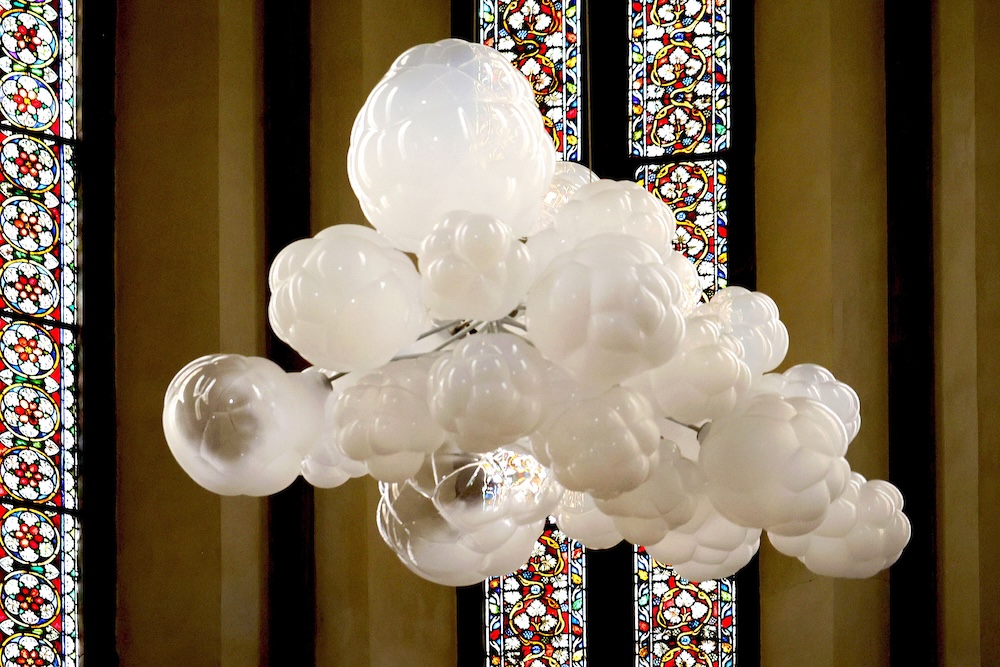
© Elena Ternovaja
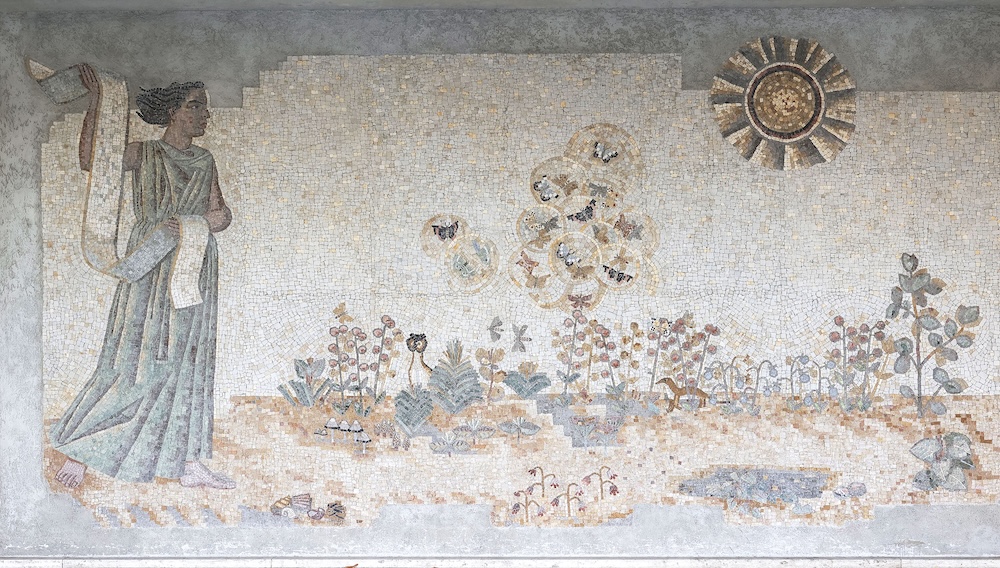
Led the “Matrimoine” project, which celebrated women’s heritage through various events and activities, including the GLAM Scoring Girls edit-a-thon in Basel for the UEFA Women’s EURO 2025 to increase Wikipedia representation of underrepresented groups in football. The project also supported an initiative to document women’s memorials and biographies throughout Switzerland, collaborating with artist Frauke Beeck, who found the monuments, and User: Elena Ternovaja, who photographed women memorials in Basel.
© Elena Ternovaja
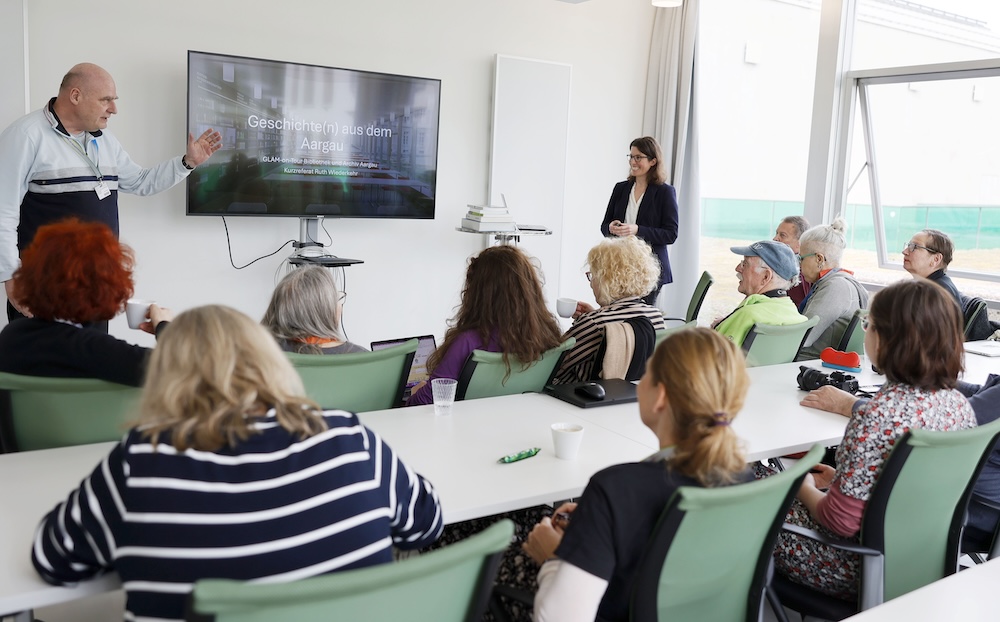
Organised two GLAM-on-Tour events: one with the State Archives of the Canton of Ticino in Bellinzona, focused on the history of Ticino, and another with the Aargau Canton Library focusing on Aargau history and previously overlooked women’s biographies.
© Wikimania Nairobi
Attended Wikimania online, co-hosted the WikiCite/Wikidata Conference in Bern along with Programme Innovation, participated in the Symposium of the Professional Association for Cultural Management Research in Basel. We also joined the GRADE conference in Vienna to work on publishing research papers about marginalised people in creative computing.
© Elena Ternovaja
Hosted productive meetings with both the GLAM Wiki Group online and the GLAM Wiki Ambassadors Switzerland in person. We also collaborated with the Community and Education teams to prepare for upcoming trainings.

© ETH-Bibliothek – public domain
Completed the decolonising knowledge project with guided museum tours and an edit-a-thon in Zurich to create articles exploring Switzerland’s involvement in race theories despite having no direct colonies. As part of the project, ETH uploaded materials to Commons.
Launched the 3D-project to explore digital archiving methods for cultural objects and collections, creating a project page to facilitate discussions with cultural institutions.
Supported FemNetzCon 2025, participating in workshops and learning about the Women Genera Project, which documents plants named after women and explores how minorities have been overlooked in scientific naming.
Helped the PTT-Archive in Bern on a project to contextualise telecommunications history through artistic methods, exploring telephone book evolution and the profession of switchboard operators.
© Metropolitan Museum of Art — CC0
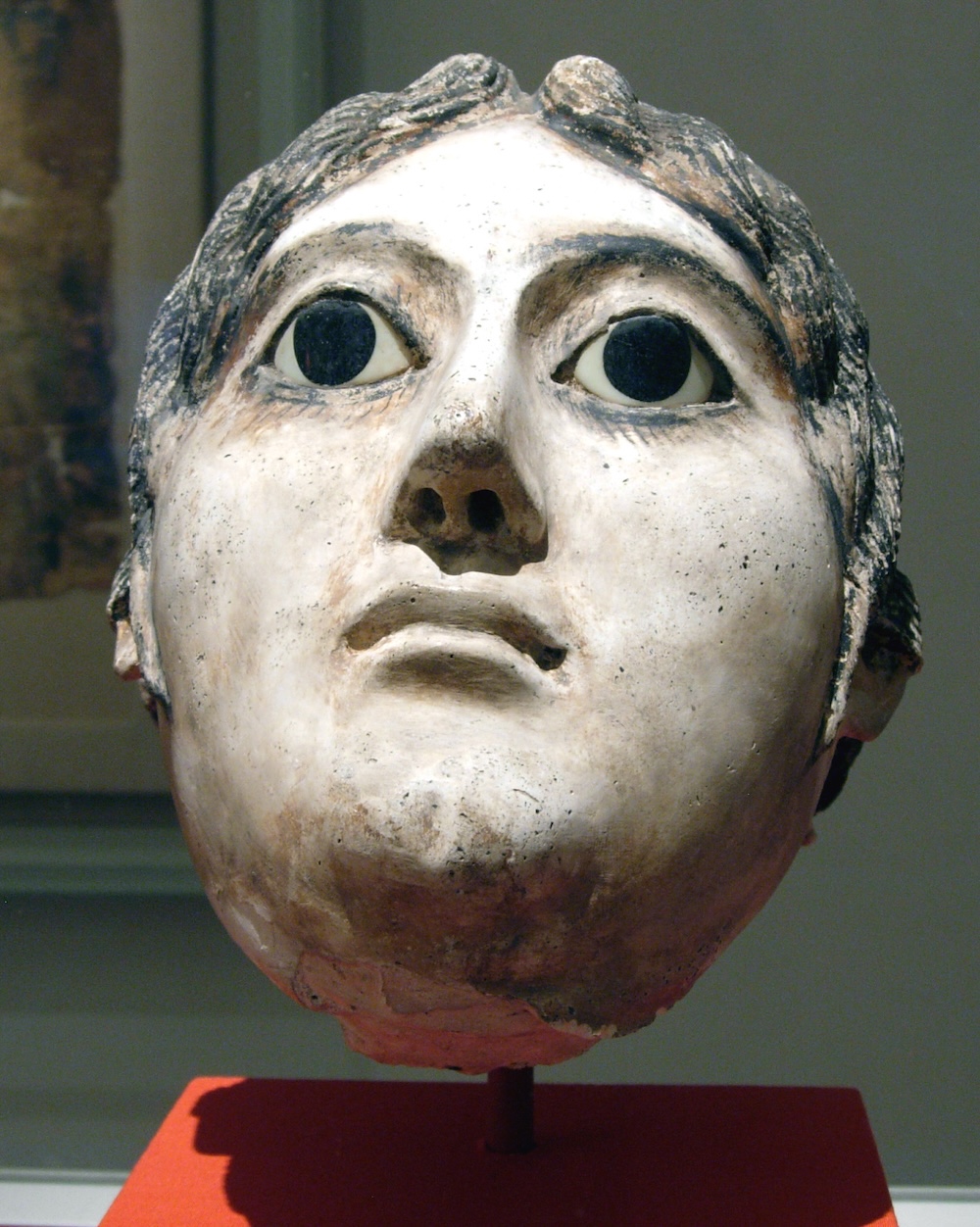
Continued monthly meet-ups at KBCB Kunsthaus Biel Centre d’Art Bienne focusing on “Faces and Masks“, enabling participants to exchange ideas and edit Wikipedia articles in both French and German.
© vsa-aas.ch
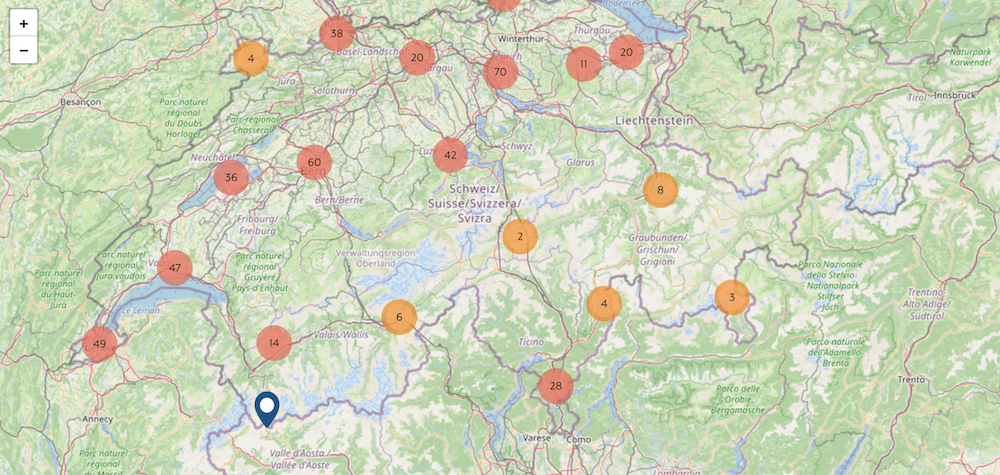
Organised a panel for International Archive Week focusing on crises and fake news, highlighting archives’ role in preserving knowledge, transparency, democracy and cultural heritage. Other activities included integrating the Archives Map Service with the Swiss Association of Archivists, enabling Swiss archives to use the map with Wiki entries to enhance their presence on Wikimedia platforms, and creating a video about gaps in archives.
Programme
impact
Key accomplishments
The relationships created through IMD 2025 create a strong foundation for collaborations across multiple continents, all united by a commitment to making knowledge freely accessible to everyone.
Lessons learned
Artist communities possess remarkable power in creating knowledge networks that complement traditional institutional approaches. In Brazil, networks around indigenous culture and in Nairobi, networks around African art are creating pathways for knowledge that has historically been overlooked.
By partnering with these communities, we can help amplify voices and perspectives that enrich Wikimedia platforms whilst supporting grassroots cultural preservation efforts.
Looking ahead
In 2026, the GLAM programme will leverage our unique knowledge of art and technology to continue successful GLAM projects. In particular, we will focus on cocreation and decolonising knowledge, deepening partnerships and convening various experts who share our values.
Through cocreation, different stakeholders, artists and developers will combine their expertise to archive and present cultural heritage in all its diversity regarding cultural background, gender, age and discipline.